Why Mornings Are Your Most Valuable Hours
The first hour of your day sets the tone for everything that follows. Numerous studies show that the decisions and actions you take in the morning have a disproportionate impact on your mood, productivity, and behaviour for the rest of the day.
But building a reliable morning routine is notoriously difficult. Why does it feel so hard to stick to? And how can you design one that actually lasts? The answers lie in understanding how willpower works — and how to design your environment to work with it, not against it.
The Science of Willpower Depletion
Roy Baumeister's influential research on "ego depletion" suggests that willpower is a finite resource that diminishes with use throughout the day. Whether or not you accept the full ego depletion model, the practical observation is consistent: most people make better decisions and have more self-control in the morning than they do at night.
This means your morning is the best time to establish habits that require deliberate effort and discipline. As the day progresses, decision fatigue accumulates — making it harder to choose the harder, better option. Front-loading your key habits into the morning protects them from this depletion.
Research tip: The first 2 hours after waking are when cortisol levels are naturally at their peak, giving you heightened alertness and focus. Use this window deliberately.
Designing Your Ideal Morning Routine
Before listing habits, the most important step is to work backwards from your goals. Ask yourself: what kind of person do I want to be? What qualities do I want to cultivate? Then design your morning to be a daily embodiment of those qualities.
A common mistake is copying someone else's morning routine wholesale. Oprah wakes at 6am, exercises, and meditates. Tim Cook starts at 3:45am. These routines work for them because they're aligned with their lifestyles, goals, and temperaments. Yours needs to be aligned with yours.
Start small. A 10-minute morning routine you do every day beats a 90-minute routine you do twice a month.
5 Morning Habits That Transform Your Day
While every person's ideal routine is unique, these five habits have strong evidence behind them and have helped thousands of Dail users transform their mornings:
The Five Evidence-Based Morning Habits
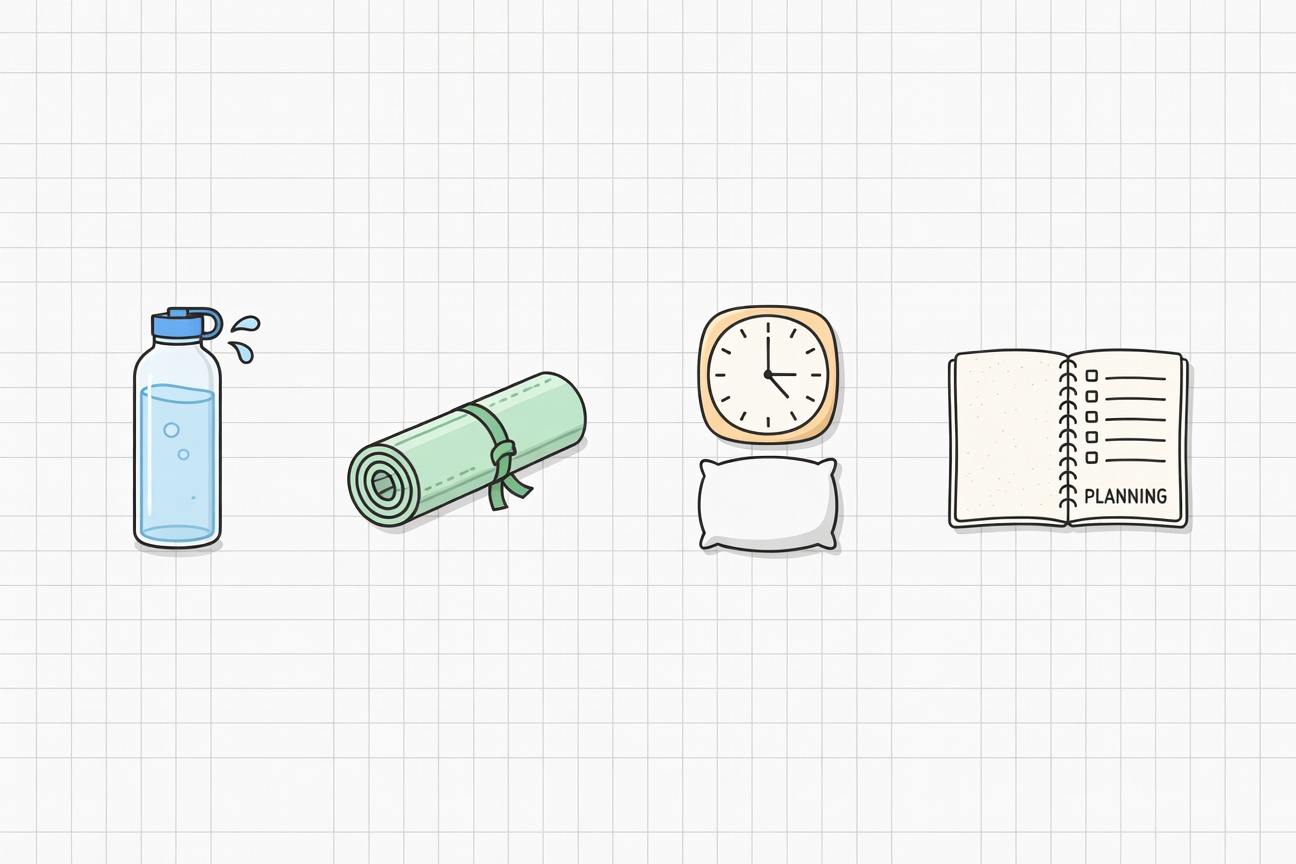
- Hydrate immediately. Your body loses 0.5–1L of water overnight through breathing. Drinking a large glass of water first thing kickstarts metabolism and mental alertness.
- Move your body. Even 10 minutes of movement — a walk, yoga, stretching — elevates mood via endorphins and raises body temperature, signalling alertness to the brain.
- Avoid screens for 30 minutes. The first 30 minutes of screen exposure sets your brain's pattern-recognition system on "reactive mode." Protect your morning from other people's agendas.
- Write 3 priorities. Handwriting activates the reticular activating system (RAS) in your brain, helping your mind filter for what matters most throughout the day.
- Do the most important thing first. Tackle your #1 priority before email, meetings, or other reactive tasks. This habit alone can transform productivity.

The Architecture of a Sustainable Morning Routine
Sustainable morning routines share a few structural features that make them easy to maintain:
- Consistent wake time. Your circadian rhythm responds to consistent timing. Sleeping in on weekends disrupts it (social jet lag). Aim to wake within 30 minutes of the same time every day.
- Minimal decision-making. Prepare the night before. Lay out your gym clothes, set your journal on the table, prep your water bottle. Each decision you eliminate makes the routine more automatic.
- Anchor habits. Link each habit to the one before it. Meditate after brushing teeth. Journal after meditating. This habit stacking creates a reliable chain.
- A non-negotiable anchor. Identify one morning habit that you commit to doing no matter what — even if it's just for 2 minutes. This keeps your routine alive even on difficult days.
Common Morning Routine Mistakes to Avoid
Even well-intentioned morning routines fall apart due to common design errors:
- Starting too ambitiously. A 5-habit morning routine when you currently have zero is a recipe for failure. Start with one habit and build gradually.
- No flexibility buffer. Build in extra time. If your routine takes 45 minutes and you have exactly 45 minutes, one disruption breaks everything. Aim to have 20% buffer time.
- Ignoring your chronotype. Not everyone functions best in the early morning. If you're a genuine evening chronotype, forcing a 5am routine will backfire. Design around your biology.
- Measuring success by perfection. The goal isn't a perfect streak; it's a high completion rate over time. 80% consistency beats 100% attempts that fail after two weeks.
How to Track Your Morning Routine
Tracking each component of your morning routine provides three powerful benefits: accountability, data, and reward. When you check off "drank water" and "moved for 10 minutes" each morning in Dail, you:
- Get an immediate dopamine hit from the completion signal
- Build evidence that you are a person who maintains morning habits
- Create a visual streak that makes you want to continue
Start by adding your two most important morning habits to your Dail tracker. After two weeks of consistency, add a third. Build gradually. Let the data guide you.
"Win the morning, win the day." The compound effect of a well-designed morning routine is transformative — not because any single habit is magical, but because the consistency creates identity change over time.
Share Your Morning Routine